

Vaillant ecoFIT Pure Installation Manual: A Comprehensive Guide
This manual details the installation of the Vaillant ecoFIT Pure boiler, covering component checks, gas/water connections, flue installation, and electrical setup.
It ensures safe and efficient operation, referencing OpenTherm compatibility and adherence to European standards for replacement units.
The Vaillant ecoFIT Pure is a highly efficient condensing boiler designed for domestic heating and hot water production. This manual provides comprehensive instructions for qualified heating engineers undertaking the installation, commissioning, and servicing of this appliance. Its compact dimensions and lightweight construction make it suitable for a wide range of installation locations, including kitchen cabinets and loft spaces.
The ecoFIT Pure boasts ultra-quiet operation and minimal maintenance requirements, contributing to a comfortable and convenient heating experience. It’s specifically positioned as a replacement boiler within the European market, offering a reliable and cost-effective solution for upgrading existing heating systems. Compatibility with systems utilizing a Nefit EMS-OT OpenTherm converter expands its integration possibilities.
Understanding the specific features and adhering to the guidelines outlined in this manual are crucial for ensuring optimal performance, safety, and longevity of the ecoFIT Pure boiler. This guide will walk you through each stage of the installation process, from unboxing and component identification to final commissioning and testing.
Safety Precautions Before Installation
Prior to commencing any installation work on the Vaillant ecoFIT Pure, strict adherence to safety regulations is paramount. Installation must be carried out by a qualified and competent heating engineer, fully conversant with current gas safety standards and building regulations. Always isolate the gas and electricity supply before beginning work, and verify isolation with appropriate testing equipment.
Ensure the installation location is adequately ventilated and free from flammable materials. Wear appropriate personal protective equipment (PPE), including safety glasses, gloves, and suitable footwear. Be mindful of the boiler’s weight during handling and lifting, utilizing appropriate lifting aids if necessary.
Carefully review the entire installation manual before starting, paying close attention to warnings and cautions. Incorrect installation can lead to hazardous situations, including gas leaks, carbon monoxide poisoning, and fire. Confirm compatibility with existing gas supply and flue systems before proceeding; Regularly check for gas tightness throughout the installation process.
Unboxing and Component Check
Upon receiving the Vaillant ecoFIT Pure boiler, carefully inspect the packaging for any signs of damage during transit. Do not accept delivery if the packaging is visibly compromised. Once unpacked, thoroughly check all components against the supplied parts list to ensure everything is present and accounted for. This includes the boiler unit itself, flue components, mounting bracket, and all associated fixings.
Verify that the boiler’s serial number on the unit matches the documentation. Inspect the boiler for any visible damage, such as dents, scratches, or loose parts. Retain the packaging materials for potential returns or warranty claims.
Pay particular attention to the condition of the gas connection fittings and the flue outlet. Report any missing or damaged components to your supplier immediately. A complete component check before installation prevents delays and ensures a smooth, safe setup. Document any discrepancies found during the inspection process.
Identifying Key Components
The Vaillant ecoFIT Pure boiler features several key components crucial for understanding the installation process. These include the gas valve, responsible for regulating gas supply, and the fan, essential for combustion and flue gas extraction. The heat exchanger transfers heat to the water, while the pump circulates the water throughout the heating system.
Locate the control unit, which houses the electronic controls and display panel. Familiarize yourself with the condensate trap, designed to collect and drain acidic condensate produced during the combustion process. The flue outlet connects to the flue system, expelling exhaust gases safely.
Identify the water inlet and outlet connections for the central heating and domestic hot water circuits. Understand the function of the pressure relief valve, which protects the system from overpressure; Recognizing these components is vital for correct installation, maintenance, and troubleshooting. Refer to the detailed diagrams in this manual for precise locations.
Tools Required for Installation
A comprehensive toolkit is essential for a successful Vaillant ecoFIT Pure boiler installation. You will need a gas leak detector to ensure safe gas connections, and adjustable wrenches for tightening various fittings. A pipe cutter is necessary for precise pipework modifications, alongside PTFE tape for sealing threaded joints.
Electrical testing equipment, including a multimeter, is crucial for verifying correct wiring and power supply. Screwdrivers (various sizes and types) are indispensable for accessing and securing components. A spirit level ensures the boiler is mounted correctly, preventing operational issues.
Furthermore, a drill with appropriate bits is required for wall mounting, and a flue alignment tool aids in proper flue installation. Don’t forget measuring tools like a tape measure and a marker for accurate marking. Safety glasses and gloves are vital for personal protection throughout the installation process. Having these tools readily available streamlines the installation and ensures a professional finish.

Installation Process: Step-by-Step
Begin by securely mounting the boiler, followed by precise gas and water connections. Install the flue according to guidelines, ensuring proper condensate drainage and completing all electrical connections safely.
Positioning and Mounting the Boiler
Careful positioning is crucial for optimal performance and service access. The Vaillant ecoFIT Pure, being lightweight and compact, offers flexibility in placement, but several factors must be considered. Ensure the chosen location provides adequate ventilation, adhering to local regulations regarding clearances from combustible materials. A level, stable surface is essential; use appropriate mounting brackets securely fixed to a solid wall.
Prior to mounting, verify the wall’s structural integrity to support the boiler’s weight, even when fully filled with water. Maintain sufficient space around the unit for servicing – typically a minimum of 30cm on all sides, and more above for flue access. Consider the proximity to gas and water connections to minimize pipe runs.
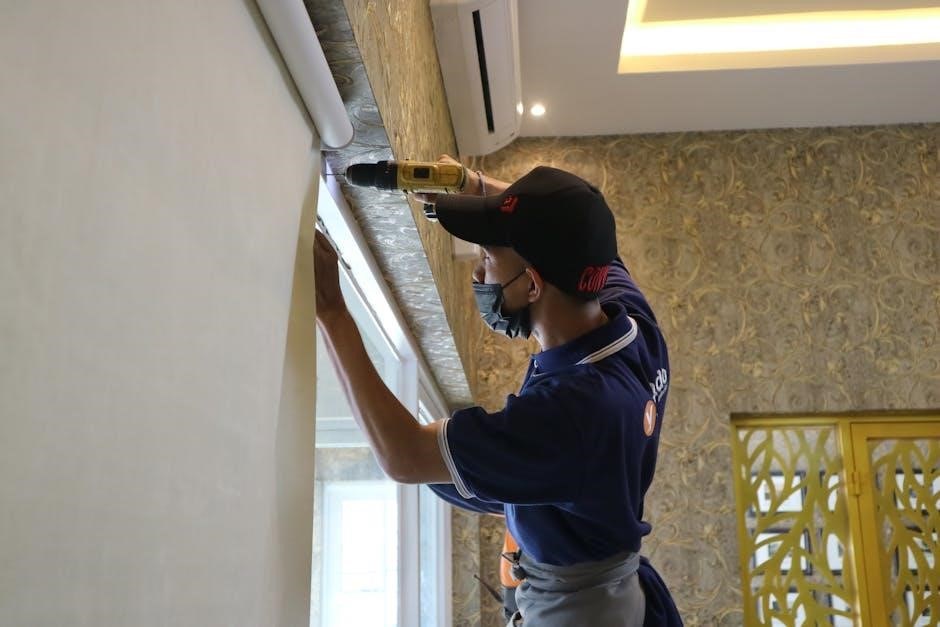
The mounting brackets should be installed according to the manufacturer’s instructions, ensuring they are perfectly horizontal. Once brackets are in place, carefully lift the boiler onto them, securing it firmly with the provided fixings. Double-check the boiler is level after mounting, adjusting as needed. Incorrect mounting can lead to operational issues and void the warranty.
Gas Connection Procedures
Gas connection must be performed by a qualified and certified gas engineer, strictly adhering to local gas safety regulations. Before commencing, isolate the gas supply and perform a gas tightness test on the existing pipework. Verify the gas type is compatible with the ecoFIT Pure – the boiler is configured for specific gas types during manufacturing.
Use only approved gas pipework materials and ensure the pipe diameter is appropriate for the boiler’s gas consumption rate and the length of the run. A gas filter should be installed upstream of the boiler to prevent debris from entering the gas valve. Apply a suitable thread sealant to all gas connections, avoiding excessive application that could contaminate the gas valve.
After connecting the gas pipework, conduct a thorough gas tightness test using a suitable leak detection fluid. Check all joints and connections meticulously. Once confirmed gas-tight, slowly re-introduce the gas supply and re-test. Proper gas connection is paramount for safe and efficient boiler operation; any leaks pose a serious hazard.
Water Connection Procedures
Prior to connecting the water supply, ensure the system is thoroughly flushed to remove any debris or contaminants that could damage the boiler’s heat exchanger. A full bore isolating valve should be installed on the cold water supply to facilitate maintenance and servicing. Utilize appropriate flexible hoses or copper pipework compliant with local water regulations.
Connect the cold water supply to the designated inlet on the boiler, ensuring a secure and leak-proof connection. The hot water outlet should be connected to the central heating system’s flow pipework. Consider installing a water filter to protect the boiler from scale and sediment build-up, especially in hard water areas.
After making the connections, slowly open the isolating valve and check for leaks at all joints. System pressure should be gradually increased to the recommended operating pressure, as specified in the boiler’s documentation. Bleed any trapped air from the system to ensure efficient heating and hot water performance.
Flue Installation: Types and Guidelines
The Vaillant ecoFIT Pure boiler supports both coaxial and conventional flue systems, demanding strict adherence to installation guidelines for safe and efficient operation. Coaxial flues, drawing air for combustion from outside, are generally preferred for their enhanced efficiency and reduced risk of carbon monoxide spillage.
When selecting a flue, consider the boiler’s output and the length of the flue run. Excessive flue length can negatively impact performance. All flue components must be compatible with the boiler and certified to relevant standards. Ensure adequate clearance from combustible materials, as specified in the installation manual.
Proper sealing of all flue joints is critical to prevent the escape of combustion gases. Use the correct sealant and follow the manufacturer’s instructions carefully. The flue terminal must be positioned to avoid recirculation of exhaust gases and to prevent obstruction from foliage or snow. Regular inspection of the flue is recommended.
Coaxial Flue Installation – Detailed Instructions
Begin by carefully attaching the flue outlet adapter to the boiler, ensuring a secure and airtight seal using the provided gasket. Slide the inner flue pipe through the outer flue pipe, maintaining the correct concentric alignment. Pass the assembled coaxial flue through the wall sleeve, ensuring it’s at the correct angle and pitch for condensate drainage.
Secure the flue to the wall using appropriate brackets, maintaining the minimum clearances from surrounding structures as outlined in the manual. Apply sealant around the wall sleeve to prevent water ingress and gas leakage. Connect the outer flue pipe to the terminal guard, ensuring it’s firmly fixed and positioned correctly.
Double-check all connections for tightness and proper alignment. Verify that the flue terminal is unobstructed and positioned according to regulations. A smoke test should be performed after installation to confirm the integrity of the flue system and the absence of leaks.
Condensate Drain Installation
The Vaillant ecoFIT Pure boiler produces condensate as part of its high-efficiency operation, requiring a dedicated drain line for safe disposal. Begin by connecting the condensate siphon to the boiler’s condensate outlet, ensuring a secure and leak-proof fit. Route the condensate drain pipe to a suitable drainage point – typically a waste water drain – avoiding any potential backflow or contamination.
The drain pipe must be installed with a continuous downward slope to facilitate gravity drainage and prevent blockages. Utilize appropriate fittings and supports to secure the pipe and maintain the correct gradient. An air gap should be incorporated into the drain line to prevent siphoning of wastewater back into the boiler.
Ensure the condensate pipe is constructed from a material resistant to acidic condensate, such as PVC or polypropylene. Regularly inspect the drain line for any obstructions or leaks, and address them promptly to maintain optimal boiler performance and prevent potential damage.

Electrical Connections and Setup
Proper electrical connection is vital for safe operation. Refer to the wiring diagram, ensuring correct power supply requirements are met; Qualified personnel should perform all wiring tasks carefully.
Wiring Diagram Explanation
The Vaillant ecoFIT Pure wiring diagram is crucial for correct installation and safe operation. It details all electrical connections, including live, neutral, earth, and control wiring for components like the pump, fan, and control board. Understanding the diagram prevents damage to the boiler and ensures proper functionality.
Key elements include identifying the 230V power supply input, the connection points for external controls such as thermostats (including OpenTherm compatibility via converters like Nefit EMS-OT), and the wiring for any optional accessories. Pay close attention to the color coding of wires – typically brown for live, blue for neutral, and green/yellow for earth – and strictly adhere to these standards.
The diagram also illustrates the internal wiring within the boiler, showing how the various components are interconnected. Incorrect wiring can lead to malfunctions, error codes, or even safety hazards. Always disconnect the power supply before working on any electrical connections. Double-check all connections against the diagram before restoring power. If unsure, consult a qualified electrician or Vaillant technical support for assistance. Ignoring these precautions could void the warranty and compromise safety.
Power Supply Requirements
The Vaillant ecoFIT Pure boiler requires a stable 230V AC power supply, typically sourced from a dedicated circuit. Ensure the electrical installation complies with all local and national regulations. A correctly sized circuit breaker is essential for protection against overloads and short circuits; a 3A or 5A breaker is generally sufficient, but verify local codes.
The boiler’s power consumption varies depending on the model and operating mode, but it’s generally low due to its efficient design. However, a dedicated circuit prevents interference from other appliances and ensures reliable operation. Proper grounding (earthing) is critical for safety, protecting against electric shock. The earth wire must be securely connected to the designated terminal within the boiler.
Voltage fluctuations can damage the boiler’s electronic components, so a stable supply is paramount. Consider using a surge protector to safeguard against voltage spikes. Do not use extension cords or adapters; connect the boiler directly to a fixed outlet. Before connecting, verify the supply voltage matches the boiler’s specifications. Incorrect voltage will cause immediate damage and void the warranty.

Commissioning and Testing
Initial startup involves checking system pressure, verifying gas tightness, and confirming correct flue operation. Functional testing includes evaluating heating cycles and identifying any error codes for prompt resolution.
Initial Boiler Startup
Before initiating the boiler’s startup sequence, double-check all connections – gas, water, and electrical – ensuring they are secure and comply with relevant safety regulations. Verify the condensate drain is unobstructed and correctly routed to prevent potential issues. Open the gas supply valve slowly, and closely monitor for any leaks using a suitable leak detection solution.
On the boiler’s control panel, navigate to the startup procedure, typically involving pressing and holding the reset button for a specified duration. The boiler will initiate a self-diagnostic sequence, which may include an automatic air purge. Observe the display for any error messages during this phase; these indicate potential problems requiring immediate attention.
Allow the boiler to cycle through its initial heating phase, carefully listening for any unusual noises. Monitor the system pressure gauge, ensuring it remains within the manufacturer’s recommended operating range. If the pressure is low, carefully top it up following the instructions in the manual. Successful startup is indicated by a stable display and the boiler entering its normal operating mode.
System Pressure Check
Maintaining correct system pressure is crucial for the efficient and reliable operation of the Vaillant ecoFIT Pure boiler. Locate the pressure gauge, typically found on the front panel of the unit. The ideal operating pressure, as specified in the installation manual, generally falls between 1.0 and 1.5 bar (14.5 – 21.7 psi) when the system is cold.
If the pressure is below the minimum recommended level, carefully open the filling loop valve to allow water from the mains supply to enter the system. Monitor the gauge closely during this process, avoiding over-pressurization. Once the desired pressure is reached, close the filling loop valve immediately.

Conversely, if the pressure exceeds the maximum limit, cautiously bleed radiators throughout the system to release excess water. Repeat this process until the pressure returns to the acceptable range. Regularly check the pressure, especially after initial installation or any significant system adjustments. A consistently fluctuating or low pressure indicates a potential leak that requires investigation and repair by a qualified technician.
Functional Testing and Error Codes
Post-installation, thorough functional testing is essential to verify the Vaillant ecoFIT Pure boiler operates correctly. Initiate a heating cycle and observe the boiler’s response, confirming hot water production and consistent temperature regulation. Check for any unusual noises or vibrations during operation.
The ecoFIT Pure utilizes a diagnostic system that displays error codes on the control panel to indicate potential faults. These codes, detailed in the installation manual, provide valuable information for troubleshooting. Common codes relate to ignition failures, gas supply issues, water pressure problems, or flue obstructions.
Refer to the manual’s error code table to accurately interpret the displayed code and implement the appropriate corrective action. Resetting the boiler after addressing the fault may require a specific procedure outlined in the documentation. If unfamiliar with interpreting error codes or resolving issues, consult a qualified heating engineer to prevent further complications and ensure safe operation.

Troubleshooting Common Installation Issues
During Vaillant ecoFIT Pure installation, several issues may arise. Gas connection leaks are critical; always re-check fittings with a suitable leak detection solution. Water connection problems, like insufficient pressure, require verifying the mains supply and system filling. Incorrect flue installation can lead to combustion issues – ensure proper diameter, length, and sealing.
Electrical wiring errors are common; double-check the wiring diagram and power supply requirements. If the boiler fails to ignite, verify gas supply, ignition electrode condition, and PCB functionality. Condensate drain blockages can cause operational shutdowns; regularly inspect and clear the drain line.
Remember to consult the installation manual for specific troubleshooting steps and error code interpretations. If issues persist, contact a qualified heating engineer. Prioritize safety and adhere to all relevant regulations throughout the installation process. Ignoring warning signs can lead to hazardous situations and void the warranty.