

Brooks Range Mini Guide: An Overview
Brooks Running provides exceptional trail footwear, blending comfort and performance for diverse terrains; discover shoes like Cascadia, Divide, and Catamount for optimal support.
Explore superior running apparel and shoes with free shipping, catering to all runners – from marathoners to casual walkers – with a perfect fit guaranteed.
The Brooks Range, a majestic and remote mountain range, stretches across northern Alaska, presenting an unparalleled wilderness experience for adventurers. This rugged landscape, often described as challenging, beckons hikers, backpackers, and trail runners seeking solitude and breathtaking scenery.
Its vastness and untamed nature demand careful planning and preparation, but the rewards are immeasurable. The range’s unique ecosystem supports diverse wildlife, offering incredible viewing opportunities.
Whether you’re tackling multi-day treks or enjoying shorter trail runs, appropriate footwear is crucial. Brooks running shoes, with their adaptable grip and cushioned comfort, are ideal for navigating the varied terrain. The Brooks Range isn’t just a destination; it’s an immersion into the raw beauty of the Alaskan wilderness, a place where resilience and respect for nature are paramount.
Geographical Location and Size
The Brooks Range is situated entirely within the state of Alaska, forming the northernmost major mountain range in North America. It extends for approximately 700 miles (1,127 kilometers) east-west, spanning from the Chukchi Sea on the west to the Canadian border on the east.
This immense range is characterized by its rugged peaks, deep valleys, and vast tundra landscapes. Its location significantly influences the climate, creating a harsh arctic environment. The range’s sheer size and remoteness contribute to its pristine wilderness character.
Navigating this expansive area requires robust gear, including reliable Brooks trail shoes designed for challenging conditions. Understanding the scale of the Brooks Range is essential for planning any expedition, emphasizing the need for self-sufficiency and respect for the environment.

Planning Your Trip
Careful preparation is vital for a Brooks Range adventure, encompassing permits, transportation logistics, and understanding seasonal conditions for a safe, rewarding experience.
Best Time to Visit the Brooks Range
The optimal window for exploring the Brooks Range stretches from late June through August, offering the most favorable weather conditions. During these months, temperatures are milder, and daylight hours are significantly extended, maximizing your time for hiking and backpacking adventures.
However, be prepared for unpredictable weather patterns, even during the peak season. July generally presents the warmest temperatures and driest conditions, making it a popular choice for extended treks.
September can offer stunning fall foliage, but also brings increased chances of snow and colder temperatures. Visiting outside of this timeframe presents significant challenges due to extreme cold, limited daylight, and potential logistical difficulties. Thoroughly research current conditions and prepare accordingly, regardless of when you choose to visit this remarkable wilderness.
Permits and Regulations
Navigating the Brooks Range requires careful attention to permits and regulations, primarily due to its remote location and sensitive ecosystems. Most areas fall under the jurisdiction of the National Park Service (Gates of the Arctic National Park and Preserve) or the Bureau of Land Management (BLM).
Backcountry travel often necessitates a permit, particularly for extended trips and larger groups. It’s crucial to check the specific requirements for the area you plan to visit well in advance of your trip. Regulations are in place to protect wildlife, minimize environmental impact, and ensure visitor safety.
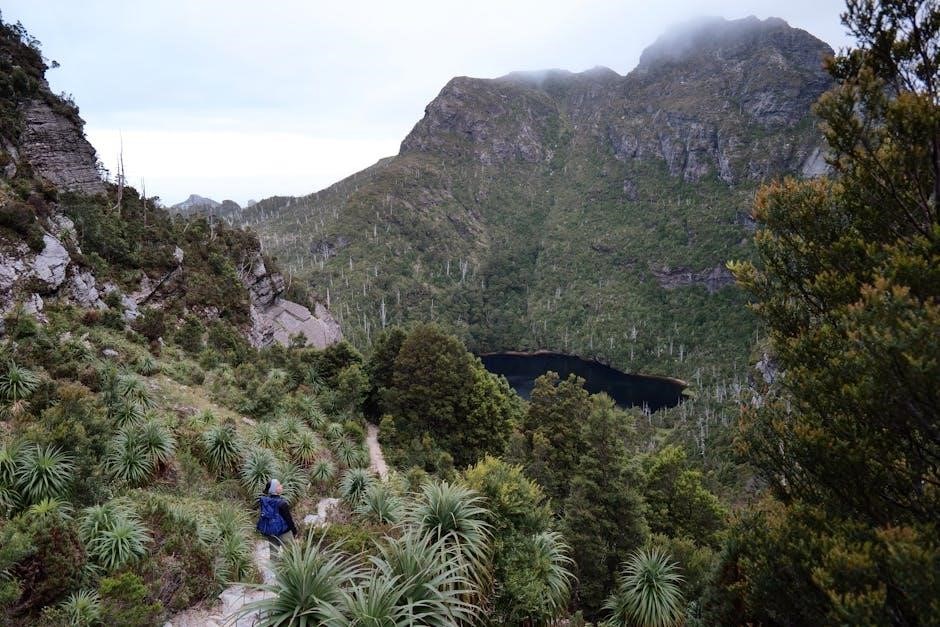
Familiarize yourself with Leave No Trace principles and adhere to all posted guidelines. Be aware of restrictions regarding campfires, waste disposal, and wildlife interactions. Proper planning and compliance with regulations are essential for a responsible and enjoyable experience.
Getting to the Brooks Range: Transportation Options
Reaching the Brooks Range presents a logistical challenge due to its remoteness. There are no roads directly into the heart of the range; access typically involves a combination of air and ground transportation. Fairbanks, Alaska, serves as the primary gateway city.
Chartering a bush plane is the most common method for accessing trailheads and remote areas. Several air taxi services operate from Fairbanks and other Alaskan communities, offering flights to various locations within the Brooks Range. Alternatively, you can drive the Dalton Highway (also known as the Haul Road) north from Fairbanks, but this requires a suitable vehicle and careful planning.
Consider the costs and logistical complexities of each option. Bush plane travel is expensive but saves significant time and effort. The Dalton Highway offers a more affordable but time-consuming alternative.

Trail Options & Activities
The Brooks Range offers diverse trails for hiking, backpacking, and trail running, with opportunities for wildlife viewing and challenging multi-day treks amidst stunning scenery.
Popular Hiking Trails in the Brooks Range
The Brooks Range presents a spectrum of hiking experiences, from gentle meadow walks to demanding alpine ascents. Terrain assessment via topographic maps is crucial, as appearances can be deceiving; what seems manageable on paper might prove surprisingly challenging in reality.
While ATV trails might initially seem to ease travel, their impact often degrades the delicate tundra ecosystems, creating boggy and uneven surfaces. Consider exploring established routes carefully, respecting the fragile environment.
Many hikers embark on multi-day treks, immersing themselves in the wilderness. Preparation is paramount, demanding thorough planning and appropriate gear. Remember that conditions can change rapidly, necessitating adaptability and resilience. The rewards, however, are immeasurable – breathtaking vistas and a profound connection with nature.
Backpacking in the Brooks Range: Multi-Day Treks
Multi-day treks within the Brooks Range demand meticulous preparation and self-sufficiency. Navigational skills are essential, alongside a comprehensive understanding of map reading and utilizing appropriate tools. Weather patterns are notoriously unpredictable; be prepared for rapid shifts and potential extremes.
Food and water supplies must be carefully calculated, factoring in the duration of the trek and potential delays. Lightweight, high-calorie options are ideal. Water sources may be limited, necessitating purification methods. Prioritize minimizing your impact through Leave No Trace principles.
The terrain presents unique challenges, often involving river crossings and navigating rugged landscapes. Durable, supportive footwear – like Brooks trail runners – is crucial for comfort and injury prevention. Embrace the solitude and immerse yourself in the raw beauty of this remote wilderness.
Trail Running with Brooks Shoes in the Range
Brooks trail running shoes are exceptionally well-suited for the diverse terrain of the Brooks Range, offering adaptable grip and cushioned comfort. Models like the Cascadia, Divide, and Catamount provide the necessary support for navigating rocky paths and uneven ground.
The Range’s challenging trails demand footwear that can handle both technical ascents and fast descents. Brooks’ technology focuses on providing a balance of responsiveness and stability, minimizing the risk of injury on demanding routes. Consider the specific trail conditions when selecting your shoe.
Prioritize a secure fit to prevent blisters and maximize performance. Regularly inspect your shoes for wear and tear, and carry repair materials. Embrace the freedom of exploring this pristine wilderness with confidence, knowing your footwear is up to the task.
Wildlife Viewing Opportunities
The Brooks Range is a haven for Arctic wildlife, offering incredible viewing opportunities for patient and respectful observers. Keep an eye out for caribou, Dall sheep, and muskoxen grazing on the tundra. Grizzly and black bears roam the valleys, so practice extreme caution and carry bear spray.
Smaller mammals like arctic foxes, wolverines, and lynx are more elusive but rewarding to spot. Birdwatchers will delight in the diverse avian population, including ptarmigan, raptors, and migratory species. Remember to maintain a safe distance from all animals.
Responsible wildlife viewing is crucial; never approach or feed animals. Use binoculars or a spotting scope for a closer look, and avoid disturbing their natural behavior. Respect their habitat and contribute to the preservation of this pristine ecosystem.
Gear and Preparation
Brooks trail shoes are essential, alongside navigation tools, and weather-appropriate clothing; prioritize safety with bear spray and a comprehensive first-aid kit for remote adventures.
Essential Gear Checklist for Brooks Range Trips
Preparing for a Brooks Range expedition demands meticulous planning and a comprehensive gear list. Prioritize sturdy Brooks trail running shoes – Cascadia, Divide, or Catamount – suited for varied terrain. Pack layers for unpredictable Arctic weather: waterproof jacket and pants, insulating mid-layers, and moisture-wicking base layers are crucial.
Navigation is paramount; include a topographic map, compass, and GPS device. A reliable headlamp with extra batteries is non-negotiable. Bear safety requires bear spray, a bear-resistant food container, and knowledge of proper food storage techniques. Don’t forget a well-stocked first-aid kit, including blister treatment, pain relievers, and any personal medications.
Other essentials include a durable backpack, trekking poles for stability, sunscreen, insect repellent, sunglasses, a water filter or purification tablets, and sufficient high-energy food. Consider bringing a satellite communication device for emergencies, as cell service is nonexistent. Finally, pack repair tools for gear and footwear.
Brooks Running Shoes for Trail Conditions
Navigating the Brooks Range’s diverse trails requires selecting the right Brooks running shoe. The Brooks Cascadia excels on technical terrain, offering adaptable grip and cushioned comfort for challenging hikes. For faster-paced runs and lighter loads, the Brooks Divide provides a balanced blend of responsiveness and protection.
If speed is your priority, the Brooks Catamount delivers exceptional performance with a lightweight design and energetic ride. Consider the trail’s conditions: rocky paths demand robust outsoles and ample cushioning, while smoother trails allow for lighter, more flexible options.
Regardless of your choice, ensure a proper fit to prevent blisters and maximize comfort. Break in your shoes before the trip and pack extra insoles or repair materials. Prioritize shoes with waterproof or water-resistant features to combat potential wet conditions.
Navigation Tools and Map Reading
Effective navigation is paramount in the remote Brooks Range. Relying solely on electronic devices is risky; always carry a detailed topographic map and a compass, and know how to use them proficiently. Practice map reading skills before your trip, understanding contour lines, elevation changes, and landmarks.
A GPS device can supplement map and compass navigation, but ensure it’s fully charged and bring extra batteries. Download offline maps for your GPS, as cell service is nonexistent in most areas. Learn to triangulate your position using visible features and compass bearings.

Familiarize yourself with the terrain before setting out, noting potential hazards and escape routes. Regularly check your location on the map and adjust your course as needed. Consider taking a wilderness navigation course to enhance your skills and confidence.
Safety Considerations: Wildlife and Weather
The Brooks Range demands respect for its unpredictable weather and wildlife. Be prepared for rapid shifts in conditions – from sunshine to snow – even in summer. Pack layers of clothing, including waterproof and windproof outerwear. Monitor weather forecasts before and during your trip, but recognize their limitations in this remote region.
Wildlife encounters are likely; bears (grizzly and black) and caribou are common. Carry bear spray and know how to use it. Store food properly in bear-resistant containers or hang it from a tree. Maintain a safe distance from all wildlife, and never approach or feed them.
Be aware of potential hazards like river crossings and unstable terrain. Travel with a communication device (satellite phone or personal locator beacon) for emergencies. Inform someone of your itinerary and expected return date.

Accommodation & Logistics
Camping is prevalent, requiring preparedness; limited lodging and guided tours exist. Secure food and water supplies, planning for remote access and self-sufficiency.
Camping Options in the Brooks Range
Camping within the Brooks Range offers a truly immersive wilderness experience, but demands meticulous planning and preparation. Opportunities range from established backcountry sites, often near water sources, to completely dispersed camping where you’ll find solitude amongst the vast landscapes. Remember that bear activity is significant, necessitating bear-resistant canisters for food storage and diligent campsite hygiene.

Due to the remote nature of the region, facilities are minimal; expect no designated restrooms or trash disposal. Pack out everything you pack in, adhering strictly to Leave No Trace principles. Weather conditions can change rapidly, so a robust tent capable of withstanding strong winds and potential precipitation is crucial. Consider the terrain when selecting a campsite, avoiding areas prone to flooding or rockfall. Prior research into specific areas will reveal any local regulations or restrictions regarding camping.
Lodging and Guided Tours
Lodging options within the Brooks Range are limited, primarily concentrated in gateway communities like Wiseman and Coldfoot. Expect rustic accommodations, ranging from basic cabins to small lodges, offering a comfortable base for exploring the surrounding wilderness. Booking well in advance is highly recommended, especially during peak season, as availability is scarce.
For those seeking a more supported experience, several reputable companies offer guided tours, encompassing backpacking trips, wildlife viewing excursions, and even fly-fishing adventures. These tours provide invaluable local knowledge, logistical support, and enhance safety in this challenging environment. Guided options are particularly beneficial for first-time visitors or those unfamiliar with backcountry navigation and wildlife encounters. Consider the tour operator’s experience, safety record, and commitment to responsible tourism practices when making your selection.
Food and Water Supplies
Reliable food and water planning is crucial for any Brooks Range expedition. Resupply options are virtually nonexistent within the range itself, demanding meticulous preparation. Pack calorie-dense, non-perishable foods – dehydrated meals, energy bars, nuts, and dried fruits are excellent choices. Account for extra days of provisions in case of unexpected delays due to weather or trail conditions.
Water sources are generally plentiful, originating from glacial melt and streams, but purification is absolutely essential. Carry a high-quality water filter or purification tablets to eliminate bacteria and viruses. Be aware that water temperatures can be frigid, potentially impacting filter performance. Consider bringing a wide-mouth bottle to facilitate easier filling from streams. Proper hydration is paramount for maintaining energy levels and preventing altitude sickness.

Brooks Shoe Finder & Recommendations
Brooks offers a diverse range of trail shoes – Cascadia, Divide, and Catamount – utilizing advanced technology for adaptable grip and cushioned comfort on challenging terrain.
Brooks Cascadia Trail Shoes: A Detailed Look
Cascadia trail shoes are a cornerstone of Brooks’ off-road lineup, renowned for their versatility and protective features. Designed for tackling varied terrain, these shoes boast adaptable grip, ensuring confident footing on both loose and technical trails within the Brooks Range.
Key features include a robust TrailTack rubber outsole, providing exceptional traction, and a responsive midsole offering balanced cushioning for long-distance comfort. The Cascadia also incorporates a protective rock plate, shielding feet from sharp rocks and roots commonly encountered in mountainous environments.
Upper construction prioritizes durability and breathability, with a secure fit that minimizes slippage. These shoes are ideal for runners seeking a reliable and well-rounded trail shoe capable of handling the demands of the Brooks Range’s challenging landscapes, offering both support and flexibility.
Brooks Divide Trail Shoes: Features and Benefits
Brooks Divide trail shoes strike a balance between road running comfort and trail-specific performance, making them a versatile choice for adventurers exploring the Brooks Range. These shoes are designed for runners who frequently transition between paved surfaces and dirt trails, offering adaptability and responsiveness.
Featuring a lightweight design and a comfortable BioMoGo DNA midsole, the Divide provides cushioning without sacrificing ground feel. The outsole utilizes durable rubber strategically placed for traction on varied terrain, ensuring a secure grip on rocky paths and softer surfaces.
The upper is constructed with a breathable mesh, promoting airflow and preventing overheating during strenuous activity. Brooks Divide shoes are an excellent option for those seeking a nimble and comfortable trail shoe suitable for a range of running conditions within the Brooks Range.
Brooks Catamount Trail Shoes: Speed and Performance
Brooks Catamount trail shoes are engineered for speed and agility, ideal for runners tackling the challenging terrain of the Brooks Range who prioritize performance. These lightweight shoes boast a responsive DNA FLASH midsole, delivering exceptional energy return with every stride, propelling you forward on demanding trails;
The Catamount features a trail-specific outsole with strategically placed lugs for superior grip and traction on loose dirt, rocks, and uneven surfaces. A secure and adaptive fit is provided by the engineered mesh upper, ensuring comfort and stability during fast-paced runs.
Designed for runners seeking a competitive edge, the Brooks Catamount offers a blend of lightweight construction, responsive cushioning, and aggressive traction, making it a top choice for tackling the Brooks Range’s diverse trails.

Respecting the Environment
Practice Leave No Trace principles diligently while exploring the Brooks Range, minimizing impact and responsibly viewing wildlife to preserve this pristine wilderness.
Leave No Trace Principles
Preserving the delicate ecosystem of the Brooks Range demands strict adherence to Leave No Trace principles. Plan ahead and prepare, ensuring you understand regulations and potential impacts. Travel and camp on durable surfaces, minimizing disturbance to vegetation and soil. Properly dispose of waste – pack it out!
Minimize campfire impacts; consider using a stove for cooking. Respect wildlife, observing from a distance and never feeding animals. Be considerate of other visitors, allowing for a peaceful experience for everyone.
These principles aren’t just guidelines; they are essential for safeguarding the Brooks Range’s natural beauty for future generations. Remember that even seemingly small actions can have significant consequences in this fragile environment. Embrace responsible recreation and become a steward of this remarkable landscape.
Responsible Wildlife Viewing Practices
The Brooks Range is home to incredible wildlife, including caribou, bears, wolves, and various bird species. Observing these animals is a privilege, demanding respect and caution. Maintain a safe distance – at least 100 yards from bears and wolves, and 25 yards from other wildlife.
Never approach or attempt to feed animals; this alters their natural behavior and can be dangerous. Use binoculars or a spotting scope for closer views, minimizing disturbance. Be aware of your surroundings and make noise while hiking to avoid surprising animals.
Store food properly to prevent attracting wildlife to campsites. Report any concerning wildlife encounters to park authorities. Responsible viewing ensures both your safety and the well-being of the animals;